Wednesday, July 22, 2009

Walmart and the Alzheimer's Caregiver

My name is Bob DeMarco, I am an Alzheimer's caregiver. My mother Dorothy, now 93 years old, suffers from Alzheimer's disease.

I learned in my role as an Alzheimer's caregiver that exercise, bright light, socialization, and simple tasks that allow my mother to use her brain have a positive effect on my mother's quality of life and behavior.

I am always searching for new ways to keep her active and in the world.

About a year ago, I came up with a new idea and decided to give it a try.

I took my mother to Super Walmart for an outing. If you have a super Walmart near you, you already know the parking lot is usually jammed.
Join Us
Subscribe to The Alzheimer's Reading Room


When we arrive at Walmart, I look around for a parking space. We do not use the handicapped spot. Reason? Exercise (mission accomplished).

We park, and I walk my mother up to the entrance to the store. Next, I get her into one of those electric shopping carts that allow you to drive around the store. This forces my mother to use her brain (mission accomplished).

When I take her into Walmart we drive around through all the departments. This allows my mother to use her brain for an extended period of time, and to be exposed to the bright lighting (mission accomplished).

My mother usually gets nervous when she is around large groups of people. The experience in Walmart exposes her to lots of people, and sometimes when she is stopped people actually say 'hi' or start talking to her (mission accomplished).

The trip to Walmart satisfies a need to keep her in and attached to the outside world. (mission accomplished).

If I let my mother sit around (actually lay around at home), she often falls into a dark mood. Sometimes she will just stop talking, or worse utter words like " I would be better off dead", or, "I am living on overtime".

I noticed years ago, when I take her out into the world her behavior improves, she starts smiling, and often starts interacting with others (this really makes me feel good--mission accomplished).

To be honest, we both benefit from the trip to Walmart.

My mother gets out, gets some exercise, gets exposed to bright light: while riding in the car, walking up to the store, and in the store. She gets to see people and do one one of her favorite things--shop. She likes the cloths section almost as much as she likes grabbing a box of Cheez-it off the shelf.

For me? I get out in the world and stay attached to other human beings. This beats staying at home day after day--all alone.

The trip to Walmart is like a respite to me. Even though I am a man, I can now tell you the price of everything we buy. I can tell you we save lots of bucks while shopping in Walmart--another benefit.

We now go to super Walmart weekly.

My advice to you? Get out in the real world and smell the Cheez-it(s).

Bob DeMarco is an Alzheimer's caregiver and editor of the Alzheimer's Reading Room. The Alzheimer's Reading Room is the number one website on the Internet for advice and insight into Alzheimer's disease. Bob taught at the University of Georgia, was an executive at Bear Stearns, the CEO of IP Group, and is a mentor. He has written more than 700 articles with more than 18,000 links on the Internet. Bob resides in Delray Beach, FL.

Read more about our efforts to say No to Alzheimer's at the Alzheimer's Reading Room
National Alliance for Caregiving and MetLife Foundation Honor Innovators Making a Difference in the Lives of Caregivers

This year's award winners are:
  • Services and Advocacy for GLBT Elders (SAGE) of New York, NY for the SAGE Caregiver Program, the only program in the country specifically designed to meet the complete care and support needs of LGBT caregivers, who are often marginalized from mainstream service and support.
  • The Pro Bono Counseling Project of Baltimore, MD for its Caring for Caregivers program, which links low-income, uninsured caregivers with licensed mental health professionals, who donate their time and skills to families of persons with cancer, Alzheimer's disease, and multiple sclerosis, among others.
  • James Madison University in Harrisonburg, VA for its Caregivers Community Network, which recruits and trains community volunteers and students to provide respite and companion care services to families caring for frail or disabled older adults in rural VA.
  • The Copper Ridge Institute in Sykesville, MD for its Dementia Skills Training for the Home Caregiver, an innovative educational program available in English or Spanish, designed to be sensitive to the dignity and quality of life necessary for both patient and caregiver. This program was also honored with an Alzheimer's Recognition Award.
  • DARTS in Minneapolis, MN for its Workplace Eldercare Seminars, which support caregivers in the workplace with education and resources bringing confidence to the caregiver, payback to the employer, and a needed spotlight on aging and caregiving.
  • The Community Action Program East Central Oregon in Pendleton, OR for Native Caring, a Native American Caregiver training conference that provides workshops and activities integrally tied to the spiritual, physical, mental and social -- all key elements of the Native American value system of care. This conference was also honored with a Cultural Diversity Recognition Award.
  • Lifespan, Al Sigl Center, and The Arc of Monroe County, all based in Rochester, NY, collaborated to create Future Care Planning Services, which provides comprehensive life care planning services to assure peace of mind and a legacy of love for caregivers while providing autonomy for people with disabilities. The program also received an Award for Older Caregivers Caring for Adult Children with Disabilities.

Read the Press Release for more information.
Join Us
Subscribe to The Alzheimer's Reading Room
Bob DeMarco is an Alzheimer's caregiver and editor of the Alzheimer's Reading Room. The Alzheimer's Reading Room is the number one website on the Internet for advice and insight into Alzheimer's disease. Bob taught at the University of Georgia, was an executive at Bear Stearns, the CEO of IP Group, and is a mentor. He has written more than 700 articles with more than 18,000 links on the Internet. Bob resides in Delray Beach, FL.

More from the Alzheimer's Reading Room


Sunday, July 19, 2009

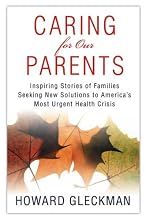
Caring for Our Parents (Book Review)

This is a serious book by an accomplished journalist, writer--Howard Gleckman.

'If you are a Boomer, you should buy this book and put it on the coffee table. You will need it in the future to take care of yourself. The notes section of this book, alone, is worth the purchase price. The 22 pages of notes come in the form of a bibliography that you will be referring to over and over in the years ahead.

Caring for Our Parents is chock full of information and example that you, and I, will need as we age'. --Bob DeMarco, the Alzheimer's Reading Room

Sunday, July 12, 2009

Previously on the Alzheimer's Reading Room

A year ago on the Alzheimer's Reading Room.

Short Mental Exercises May Slow Decline of Aging Minds
Older adults who did the basic exercises followed by later sessions were three times as fast as those who got only the initial sessions when it came to activities of daily living, such as reacting to a road sign, looking up a number in a telephone book or checking the ingredients on a medicine bottle -- abilities that can spell the difference between living independently and needing help.
To continue reading go here.

Lifestyle Factors Contribute to Lowering and Raising Risk of Alzheimer's Disease
  • Unmarried status in mid-life and heart disease factors may increase Alzheimer's risk.
  • Repeatedly thinking about problems may reduce Alzheimer's risk.
  • Metabolic Syndrome May Lead to Cognitive Decline.
To continue reading go here

Abnormal Thyroid Levels Can Increase Risk For Alzheimer’s Disease in Women
Thyroid disease, resulting from either low or high thyrotropin levels, has been found to be associated with an increased risk of Alzheimer's disease in women
To continue reading go here.

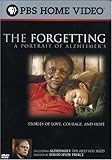
PBS The Forgotten DVD
"The Forgetting" did a beautiful and honest job of capturing those thoughts and feelings and emotions that the loved ones face through the long, slow course of this disease.

As an elder law attorney who deals with dementia and Alzheimer's on a daily basis I strongly recommend this dvd. It is a sobering and realistic insight into what is coming next in your journey as a caretaker. It is so valuable in fact, that I have several copies that I keep to loan out to clients. If you are dealing with the issue of Alzheimer's disease, you must see this dvd.


The Forgetting - A Portrait of Alzheimer's


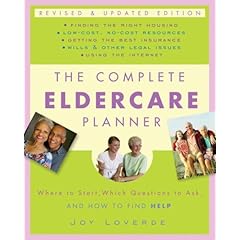
The Complete Eldercare Planner, Revised and Updated Edition: Where to Start, Which Questions to Ask, and How to Find Help


Bob DeMarco is an Alzheimer's caregiver and editor of the Alzheimer's Reading Room. The Alzheimer's Reading Room is the number one website on the Internet for advice and insight into Alzheimer's disease. Bob taught at the University of Georgia, was an executive at Bear Stearns, the CEO of IP Group, and is a mentor. He has written more than 700 articles with more than 18,000 links on the Internet. Bob resides in Delray Beach, FL.

More from the Alzheimer's Reading Room

Monday, July 06, 2009

Does your Elderly Parent Take Their Medication as Prescribed? Doubt It

I learned the hard way that my mother was not taking her hypertension medicine as prescribed. I discovered this many months after she was diagnosed with dementia and probable Alzheimer's.

If I had paid attention sooner, would it have made a difference in her diagnosis? I'll never know for certain.

This I believe. If I had paid attention, I would have realized sooner that something was wrong. Very Wrong. This would have allowed me to get my mother taking her medication as prescibed and gotten her diagnosed sooner.

Here is how I discovered my mother was not taking her prescription medicines as prescribed.

I went to the pharmacy and asked for a print out of the previous 12 months. When I looked, I was aghast.

If you have an elderly parent here is my advice to you. Don't be lazy, get the printout from the pharmacy. After a quick review you will know if the medications were purchased and if they were taken on schedule.

You can put you head in the sand and wait for Alzheimer's or dementia to present in someone you love. Or, you can start paying attention to the little things. The little changes in behavior that come with dementia long before it is detected.

I guess you could say we were fortunate. Two of the worst things that can happen from not taking hypertension medication are a heart attack or a stroke.

Early detection of Alzheimer's is important and critical to the quality of life your loved one is likely to experience. We got there early and my mother has benefited.

Enough said.
Subscribe to The Alzheimer's Reading Room

Patients Can't Recall Their Medication to Tell Doctors
“We think doctors may be prescribing more medications because the patients aren't giving them the right information about what they are taking ..... I've seen patients who continued on drugs that I told them to discontinue and stop taking drugs I never told them to stop using."
Doctors rely on patients to accurately tell them what prescription medications - and what dosages -- they are taking in out-patient visits. (A patient's chart may not always be available or complete.) That information is essential for physicians to monitor whether a drug is working, and whether it may have adverse interactions with any new medications prescribed.

Depending on patients' recall of their drugs, however, may be dangerous to their health.

New research from Northwestern University's Feinberg School of Medicine has found that nearly 50 percent of patients taking antihypertensive drugs in three community health centers were unable to accurately name a single one of their medications listed in their medical chart. That number climbed to 65 percent for patients with low health literacy.

“It was worse than we expected,” said lead author Stephen Persell, M.D., an assistant professor of medicine, and of the Institute for Healthcare Studies at the Feinberg School, and a physician at Northwestern Memorial Hospital. “It means doctors can't ask patients to tell them the medications they are taking for their chronic conditions like hypertension. It's very hard to get at the truth of what medications the patient is actually taking.”

The study will be published in the November issue of the Journal of General Internal Medicine.

The Northwestern study looked at 119 patients, average age 55, from community health centers in Grand Rapids, Mich. Researchers asked them to name their antihypertensive drugs and then compared their answers to the drugs listed in their medical charts.

While the study focused on low-income patients, Persell said other patients likely have similar trouble recalling the names and dosages of all their medications, particularly those who take a lot of different drugs and the elderly, who may have cognitive limitations.

The gap between what medications a doctor thinks a patient is taking - and what a patient actually takes - is a new focus for improving the safety and quality of health care. One third of the nation's 1.5 million adverse drug events occur in out-patient settings, resulting in a cost of $1 billion annually. Persell thinks this "knowledge of medication gap" may be one of the causes.

The goal is "medication reconciliation," a term in the healthcare field that means patients and their healthcare providers understand and agree on the medications the patients are using and should be using.

Persell's study also showed patients with low health literacy were prescribed more antihypertensive medications than other patients and had higher blood pressure by about five points.

“We think doctors may be prescribing more medications because the patients aren't giving them the right information about what they are taking,” he said.

Even examining patients' medical records won't necessarily tell a doctor what pills a patient is swallowing. Persell said some patients continue to fill old prescriptions even if a doctor has changed the dosages or the medication.

“I've seen patients who continued on drugs that I told them to discontinue and stop taking drugs I never told them to stop using," Persell said.

The solution is to ask patients to bring all their current medicine bottles to doctor appointments, so the physician can compare them to what has actually been prescribed in the medical charts, Persell noted. That's how he learned a patient he had switched to a cheaper version of a drug continued to take the older expensive one along with the new one, so he was double dosing himself.

"This could have caused a dangerous drop in his heart rate and blood pressure," Persell said.

The Northwestern study indicates a need for future research to address how patients' inability to name their medications -- particularly those with limited health literacy -- impacts hypertension control and drug safety, Persell said.

The study was funded by a career development award from the Agency for Healthcare Research and Quality, a Centers for Disease Control and Prevention Career Development Award and the Michigan Department of Community Health.
Bob DeMarco is an Alzheimer's caregiver and editor of the Alzheimer's Reading Room. The Alzheimer's Reading Room is the number one website on the Internet for advice and insight into Alzheimer's disease. Bob taught at the University of Georgia, was an executive at Bear Stearns, the CEO of IP Group, and is a mentor. He has written more than 700 articles with more than 18,000 links on the Internet. Bob resides in Delray Beach, FL.

More from the Alzheimer's Reading Room


Original Content the Alzheimer's Reading Room
Thursday, July 02, 2009

Caring for the Caregiver

Since few of us our inventors we learn best from the experience of others.
“I don’t think I know how to handle the situation with dementia,” she said about her husband’s disease, diagnosed 10 years ago. “I lose my temper a lot and I get exasperated. I know I’m not handling things well, not for him and not for myself.”
Another woman said she had promised her aunt to keep her at home as long a she possibly could. Because her relatives disagree with her vow, she said, they don’t help her with the care.
This is a well written article that appeared on the Alzheimer's Reading Room for the first time back in February, 2007. Time is flying.
Subscribe to The Alzheimer's Reading Room

Caring for the caregivers

By Elizabeth Cooney
TELEGRAM & GAZETTE
ecooney@telegram.com

You came to the right place, the group told the silver-haired woman who had just joined them.

She took her seat on one of the 14 armchairs fanning out from the fireplace at Dodge Park Rest Home. Twice a month, people caring for loved ones with Alzheimer’s disease meet to share supper, stories, strategies and support. Across the hall, their relatives can have a meal and take part in an activity while the two-hour session unfolds.

The new arrival, who didn’t want her name used in the newspaper, told the group why she came.

“I don’t think I know how to handle the situation with dementia,” she said about her husband’s disease, diagnosed 10 years ago. “I lose my temper a lot and I get exasperated. I know I’m not handling things well, not for him and not for myself.”

Everyone in the room struggles with anger, frustration, fear and sorrow, said Deanne Weissflog, who was sitting next to her. While the men and women were all caring for relatives in different stages of dementia or Alzheimer’s, they all know the difficult road they are traveling.

And that includes Nafie Saba-Shapazian, executive director of Dodge Park and its Day Club, and Don Kemp, who helps her lead the sessions for caregivers.

Ms. Saba-Shapazian, a registered nurse, is responsible for Dodge Park’s 60 residents. Mr. Kemp, a rehabilitation counselor, took care of his father when he had Alzheimer’s.

They all know dementia and Alzheimer’s are insidious diseases, stealing up on people and their families. Only after the fact do bizarre behaviors and odd lapses make sense, sometimes after working lives and financial security are in a shambles. Alzheimer’s affects about 4.5 million Americans. There are some medications that stall the chronic, progressive disease, but there is no cure.

At the meeting, Betty Belevick read from an article in a business magazine about drugs in the pipeline. It might be too late for their loved ones in the grips of Alzheimer’s, but maybe it could help their children, Donna Haran said. There has been progress, not just in medications, Jeanette Rosa-Brady, support group coordinator of the Alzheimer’s Association’s Massachusetts chapter, said in an interview. She is not involved with the Dodge Park group.When she started training support group leaders in 1992, not as much was known about the disease, she said.

“People are able to access information much more readily now with the Internet,” she said. “That wasn’t there when I started. There weren’t medications to treat Alzheimer’s and there wasn’t a lot we knew from research about how to manage home safety or understand what someone with Alzheimer’s perceives.”

The Dodge Park group members talked about how to stay in the moment with the patients. For Ms. Haran, that meant not fighting with her husband when he headed for the snow blower at the first flake. Instead, she told him it was out of gas.

Distraction can work, as can humor.

The worst can be those moments of lucidity when Alzheimer’s patients recognize their plight.

Barbara Gould said her husband retired when he couldn’t face going to work once he knew he wasn’t doing it properly.

“All of a sudden he couldn’t count the money in his pocket,” she said. “That was humiliating for such a proud man. He was quick with numbers, like a calculator.”

One woman who, like many in the room, is caring for not one but two relatives — a parent and a spouse — with Alzheimer’s, said putting her husband in a nursing home was harder for her to get through than his death. Another woman said she had promised her aunt to keep her at home as long a she possibly could. Because her relatives disagree with her vow, she said, they don’t help her with the care.

Some of the people the caregivers spoke about were elderly, but some were just in their 50s when they began to fail. Many of the caregivers in the group are still working full time, fraying when demands tear them apart.

Russ Varney said he hasn’t taken a vacation in the three years since his mother became ill. He lives in Boston, works in Wellesley and takes care of his mother in Worcester. He’s exhausted pretty much all the time.

At 89, she is in perfect health — except for her dementia. She attends a day program most weekdays, as did other relatives of group members. He was cleaning her bathroom one recent weekend when he realized he couldn’t recall the last time he did the bathroom in his own house.

He recommended respite care, just to recharge.

That sounds good, but it’s not so easily done. First, the caregivers have to get over the guilt they feel when they turn their attention to themselves for a change, said Ms. Rosa-Brady of the Alzheimer’s Association. They feel guilt that they didn’t notice the disease sooner, or that they still enjoy things they used to do together, or that they get angry.

“People feel guilty that they are not doing a better job,” she said. “Any support group can dispel that right away. There’s no such thing as a perfect caregiver. You’re a human being.”

And human beings need rest. Ms. Saba-Shapazian tells them they can’t give good care if they don’t take care of themselves.

There’s even a study from the National Institutes of Health published in November that showed caregivers significantly improved their own quality of life and their loved ones’ when they were visited by people trained in stress management and problem-solving techniques and had support groups to call on.

While the Dodge Park group members talked about their trials, they never forgot the patients, saying how painful it must be for them, both in the early stages when they know they are declining and later when they are afraid and can’t be calmed.

Ms. Haran’s husband asked her one morning, when he didn’t know if he should get up, “What life is this, when I don’t know if it’s morning or night?”

Deanne’s mother was frightened, asking her, “What’s going to happen to me?”

Heads nodded as she said that.

“The strength from the people in this room is very encouraging,” Ms. Haran said.

Ms. Rosa-Brady said that’s the constant in support groups.

“You can read about Alzheimer’s on the Internet all you want. You will find information that is useful but all of us need to sit down and talk to other people who are doing the same thing you are,” she said. “You can read all you want, but that’s not going to dispel the feeling that you are the only person in the world this is happening to.”

That’s what the newcomer heard.

“It’s not easy being the ones who are left, trying to keep your head afloat. But here there’s camaraderie, compassion and understanding,” June Shack told her. “This is the right place to be.”

Comment on this story at www.telegram.com. Send an e-mail to Elizabeth Cooney at ecooney@telegram.com.

Bob DeMarco is an Alzheimer's caregiver and editor of the Alzheimer's Reading Room. The Alzheimer's Reading Room is the number one website on the Internet for advice and insight into Alzheimer's disease. Bob taught at the University of Georgia, was an executive at Bear Stearns, the CEO of IP Group, and is a mentor. He has written more than 700 articles with more than 18,000 links on the Internet. Bob resides in Delray Beach, FL.

More from the Alzheimer's Reading Room


Follow the Alzheimer's Reading Room on Twitter